XBRAIN OS
// the case study
A local-first AI operating system. Orchestrates coding agents, memory, and repos — and never sleeps.
// the numbers
- always-on orchestrator
- 24/7
- interchangeable agent backends
- 2
- memory scopes — work / personal / bridge
- 3
// the brief
Personal AI command system running Windows-native. An always-on orchestrator owns the task ledger and fails over between Claude Code and GLM when limits hit — then returns automatically. Scoped two-brain memory keeps work and life context separate on purpose.
// the wins
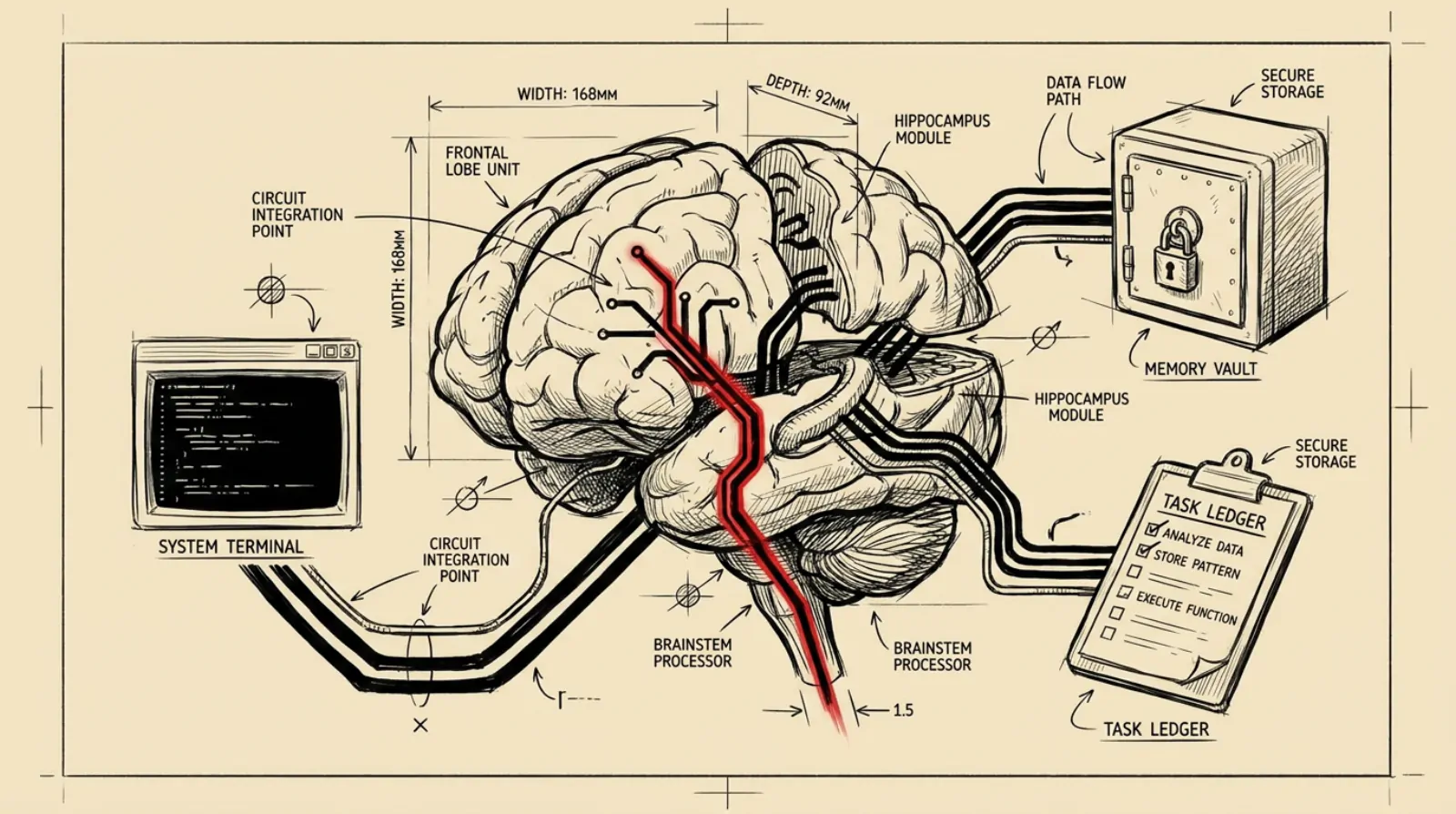
- Always-on TypeScript orchestrator: task ledger + MCP server
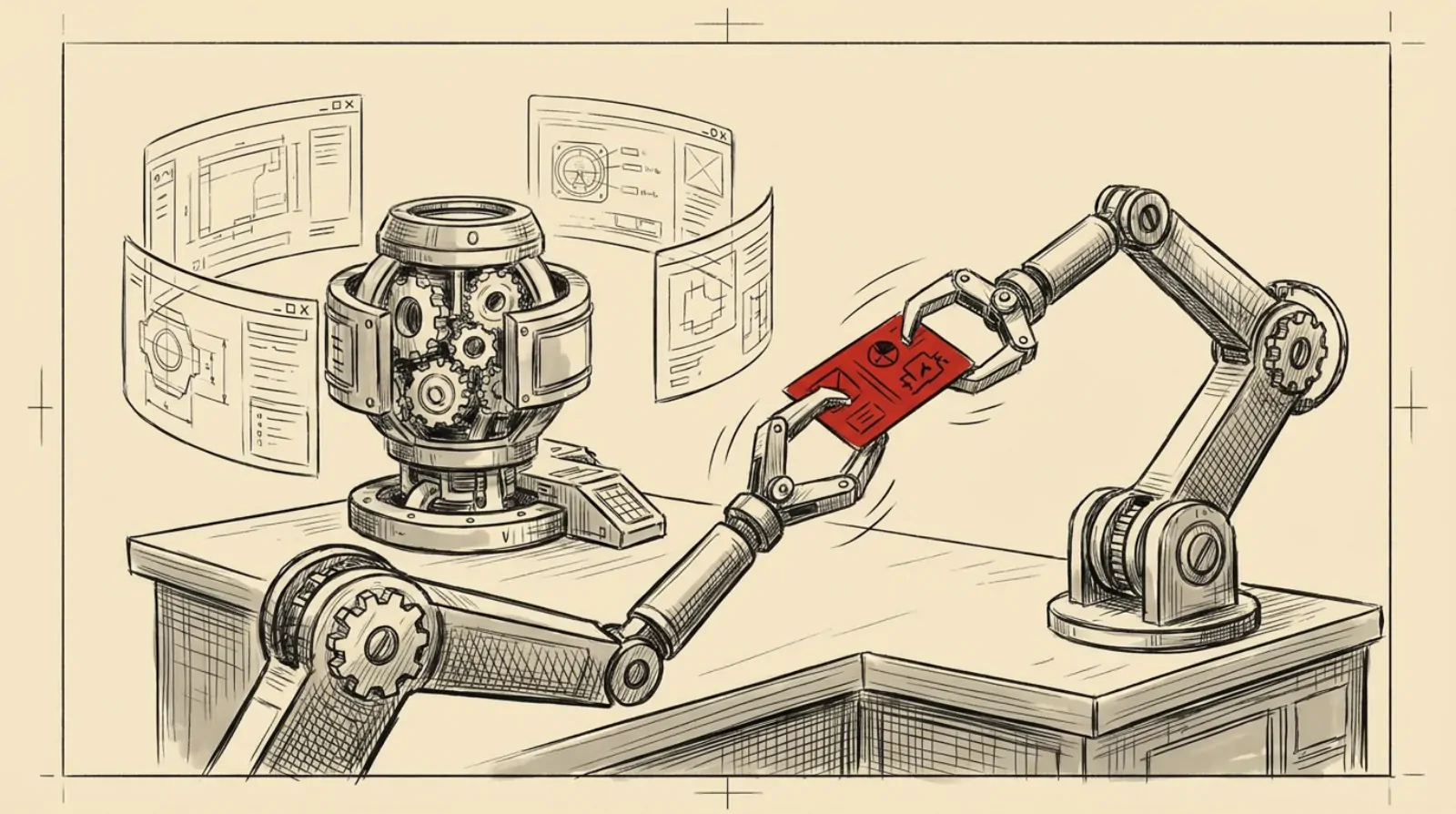
- Automatic Claude ⇄ GLM failover — hits a rate limit, swaps hands, swaps back on reset
- Two-brain memory (mem0) scoped work / personal / bridge
- Asset map of every owned repo, digested into agent context
01 // the idea
One brain to talk to, many hands to type. A persona router sits on top, an orchestrator spine underneath, and coding agents do the actual work — against my repos, my deployments, my task ledger.
02 // the failover
AI subscriptions have limits. XBRAIN treats them like infrastructure failures: when the primary agent hits its ceiling, the orchestrator reroutes work to a GLM-backed fallback and returns to the primary the moment the limit resets. No babysitting.
03 // the memory
Two scoped memory stores — work and personal — with a narrow bridge between them. Agents recall what they need and nothing they shouldn't. Secrets live in an encrypted vault, never in a prompt.
// the panels